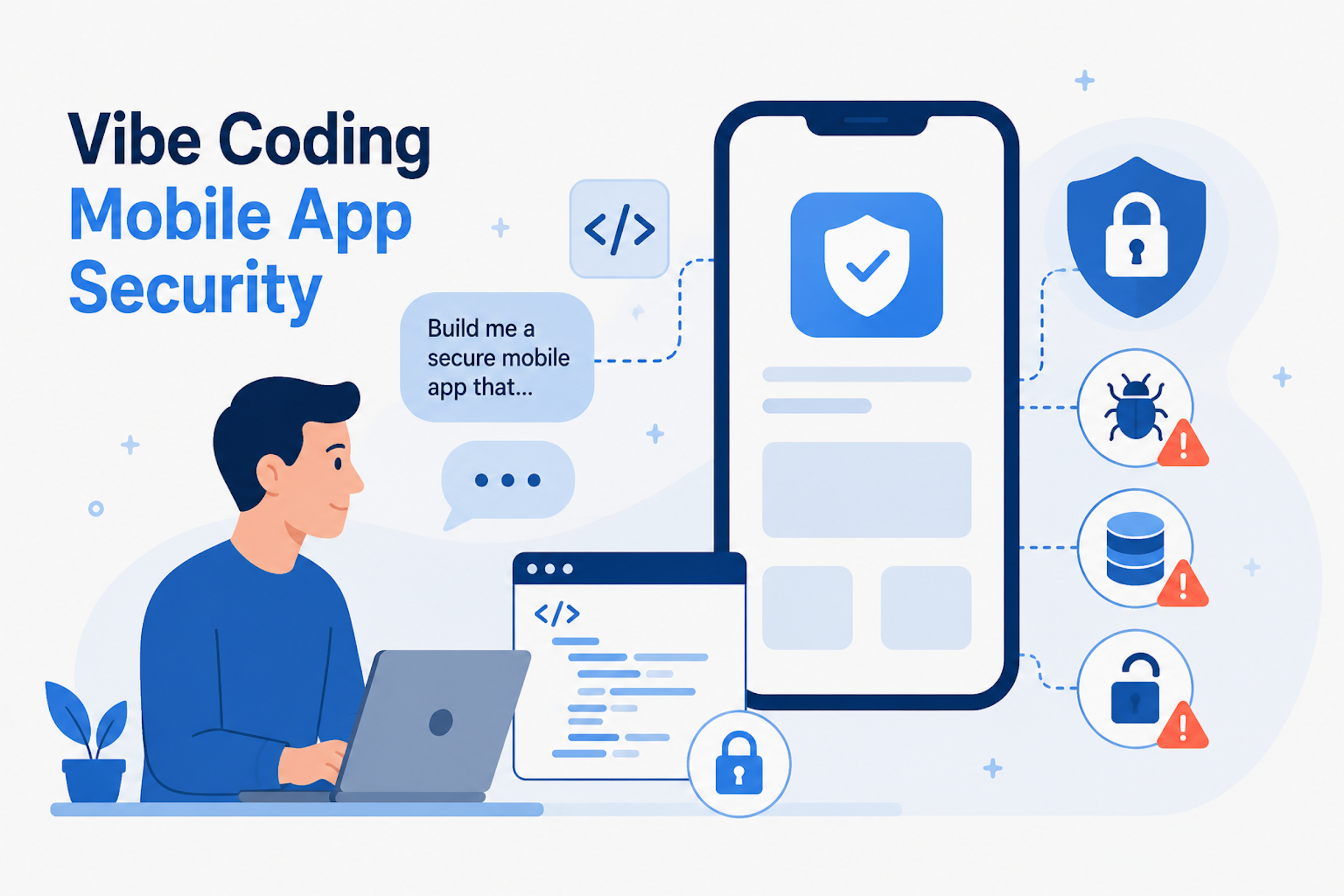
AI copilots turned "I have an idea" into "I have a shippable app" in an afternoon. That's the promise of vibe coding: rapidly generating applications with AI assistants, low-code tooling, prompt-driven workflows, and automated scaffolding. Teams now go from concept to prototype in hours instead of weeks.
But velocity changes what you ship, not where it runs. A vibe-coded mobile app lands on the same hostile devices, faces the same fraud rings, and gets probed by the same bots as an app that took a year to build. The threat environment doesn't grade on effort.
What Vibe Coders Actually Do
The workflow is built for speed and experimentation. Developers typically:
- Generate code with AI copilots
- Reuse open-source snippets
- Iterate on prototypes rapidly
- Integrate multiple SDKs quickly
- Deploy frequently, without a deep security pass
Every one of those choices trades review time for shipping speed. That's the right call for momentum, but it means the app reaches production without anyone hardening it against how attackers behave once it's installed.
The Runtime Risks Velocity Leaves Behind
Most "secure your AI-generated code" advice stops at the source: scan it, fix it, re-scan. That matters. But it doesn't touch what happens after the app is in a user's hands, on a device you don't control. Vibe-coded mobile apps tend to ship with no runtime defenses at all, which leaves them exposed to:
- Account TakeoverCredential stuffing and stolen sessions against unprotected login flows.
- Malware and Overlay AttacksHostile apps on the device hijacking the screen to steal credentials and data.
- Bots and EmulatorsAutomated and fake clients abusing APIs, scraping data, and committing fraud at scale.
- App Tampering and RepackagingModified or cloned versions of your app redistributed to users.
- Transaction FraudManipulated in-app actions and payments that look legitimate but aren't.
You can't refactor your way out of these. They're not bugs in a function. They're attacks against a running app in a place you can't see.
That's a runtime problem, and it needs a runtime answer.
Scanning source code cannot stop attacks on an app already in users' hands.
Mobile Protect: A Runtime Shield You Bolt On, Not Build
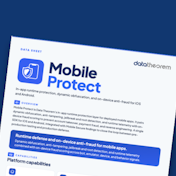
Mobile Protect is the easy button for vibe coders shipping mobile apps. Instead of asking you to slow down and hand-build defenses into AI-generated code, it staples enterprise-grade runtime protection directly onto your mobile app, with minimal effort, minimal friction, and minimal disruption to how you already work.
It operates continuously, watching the app where it actually lives: on the user's device, in real conditions, against real adversaries.
Mobile ProtectReal-time active protectionLearn MoreWhat Mobile Protect Defends Against
| Runtime Risk | Mobile Protect Defense |
|---|---|
| Account takeover | Account takeover defense: protects authentication and session flows from credential abuse |
| Malware and overlay attacks | Malware and overlay detection: spots hostile apps and screen-overlay attacks targeting your users |
| Bots and emulators | Emulator and bot detection: separates real users from automated and fake clients |
| App tampering and repackaging | Runtime app integrity: prevents tampering, modified APKs, signature mismatches, and unauthorized repackaging |
| Transaction fraud | Transaction integrity: guards in-app actions and payments against manipulation |
The point isn't to slow vibe coding down. It's to let the velocity stand and add the layer that velocity skips.
Build Fast. Ship Fast. Stay Protected.
Vibe coding isn't going away, and it shouldn't. The win is keeping the speed without inheriting the runtime exposure that comes with it.
- Build fast.
- Ship quickly.
- Let Mobile Protect continuously secure the app.
What is vibe coding?
Rapidly generating applications with AI assistants, low-code tooling, prompt-driven workflows, and automated scaffolding. Teams now go from concept to prototype in hours instead of weeks.
Why do vibe-coded mobile apps need runtime protection?
Scanning AI-generated code matters, but it doesn't touch what happens after the app is in a user's hands, on a device you don't control. Vibe-coded mobile apps tend to ship with no runtime defenses at all.
Does Mobile Protect slow vibe coding down?
No. It adds enterprise-grade runtime protection to your mobile app with minimal effort, minimal friction, and minimal disruption to how you already work.
Get a Mobile Protect Config for Your App
Request a demo and get a Mobile Protect config that locks down your app in 30 minutes or less.