What Has Changed
For years, most application security programs ranked findings one at a time. A low-severity issue went to the bottom of the backlog because, on its own, it could not do much damage. Exploiting it took a skilled human who had to understand the app, find a second weakness to pair with it, and write custom code.
AI tools change that math. They can read a decompiled mobile app, summarize what each function does, suggest which endpoints to call and in what order, and draft the exploit. Work that took days can take hours. The result is that attackers can find and combine small flaws faster than most teams can triage and patch them.
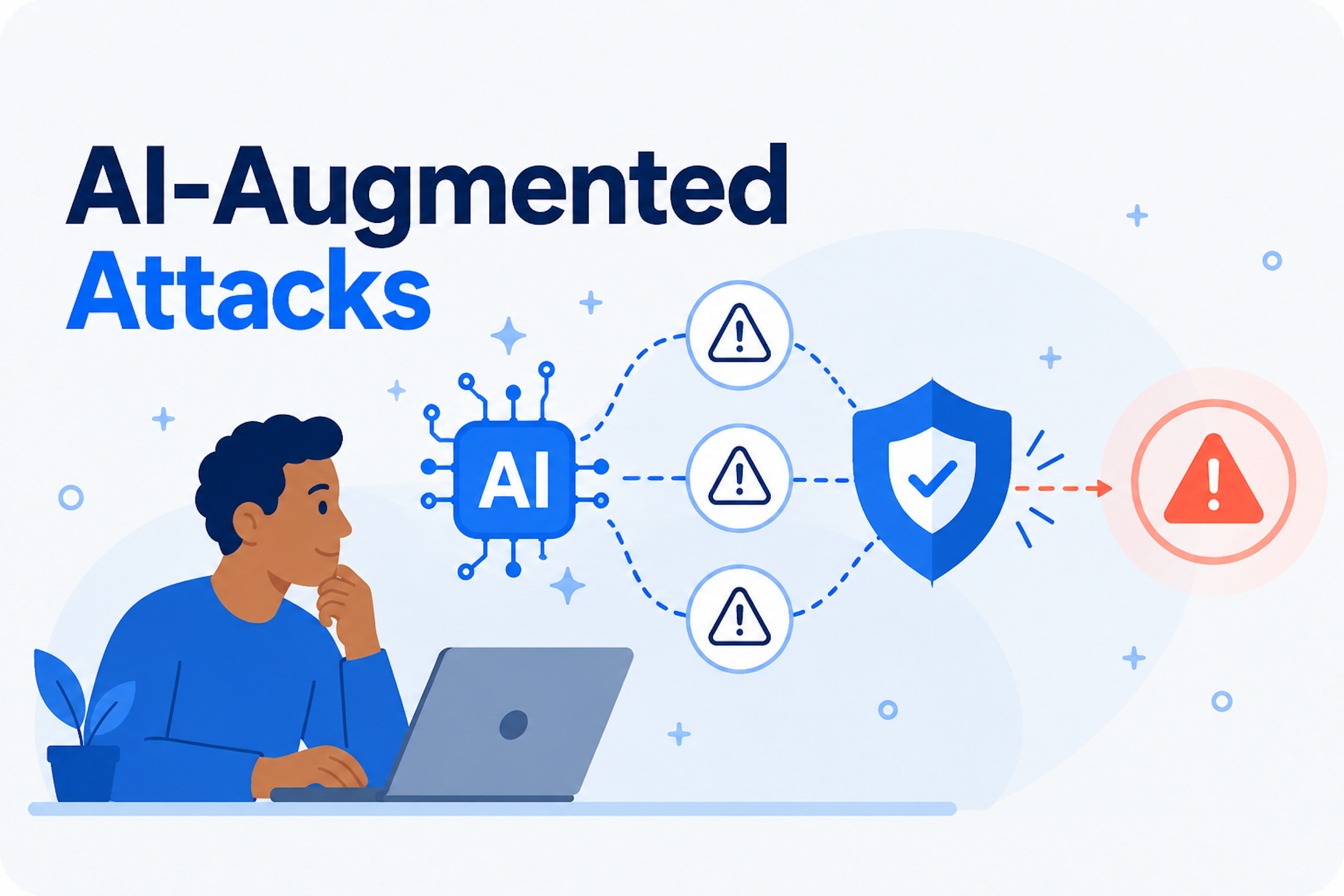
How an AI-Augmented Attack Chains Flaws
A typical chain might look like this:
- An AI tool decompiles a mobile app and finds an API endpoint that is not listed in any documentation.
- It notices a session token written to device logs, a low-severity finding on its own.
- It tests the hidden endpoint and finds that it does not check whether the caller owns the record being requested.
- Combined, the three issues let an attacker read other customers' data.
None of those findings would be rated critical in isolation.
Chained, they are a breach.
Hard to Exploit Is No Longer a Safe Bet
For years, many real flaws stayed in the backlog because exploiting them looked impractical. The bug was there, but turning it into a working attack took rare skill and weeks of effort, so teams reasonably ranked it low. AI removes that barrier. It can work through the reverse engineering, code analysis and trial and error that used to stop most attackers, and turn a flaw once judged too difficult to exploit into a working exploit in hours.
CVE-2026-109618 and CVE-2026-109619: PHP2Shell, Remote Code Execution in PHP Core
A limited version of the flaw was found in 2024 and was not considered significant at the time. In 2026, researchers using AI models found the full issue and turned it into a working exploit. PHP shipped fixes on October 21, 2026, and exploit attempts began within hours.
Sources: Fortune, 21 October 2026; The Hacker News, October 2026.
The lesson for AppSec teams: exploit difficulty can no longer be the reason a finding waits. Prioritize by what a flaw could lead to, and assume an attacker with AI can do the hard part.
Why Traditional AppSec Struggles
- Findings are scored in isolation, so chains go unnoticed until someone exploits them.
- Point tools do not share context. Code scanning, mobile testing and API testing each see a piece of the chain.
- Fixes take time. Code changes go through review and release, and mobile fixes also wait for app store approval and user updates.
- Runtime is often unprotected, so nothing stands between the attacker and the flaw while the fix is pending.
How to Defend at AI Speed
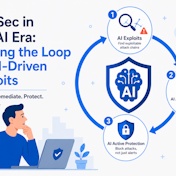
Defending against AI-augmented attacks means using AI on the defending side across the whole loop:
- Find chains, not just findings. Use AI to connect low-severity issues across code, apps and APIs the way an attacker would.
- Triage by real risk. Prioritize the chains that lead to sensitive data or account takeover.
- Fix faster. Send precise remediation to developers and their coding agents, so fixes ship in hours, not sprints.
- Block at runtime. Break one link in the chain in production while the fix ships.
How Data Theorem Closes the Loop
Data Theorem applies AI at every step:
- AI Exploits, powered by ARCANE, Data Theorem's AI exploit engine, chains findings from Mobile Secure, API Secure and Code SAST Secure into the attack paths an attacker would take. ARCANE works on app binaries and APIs and can also use source code.
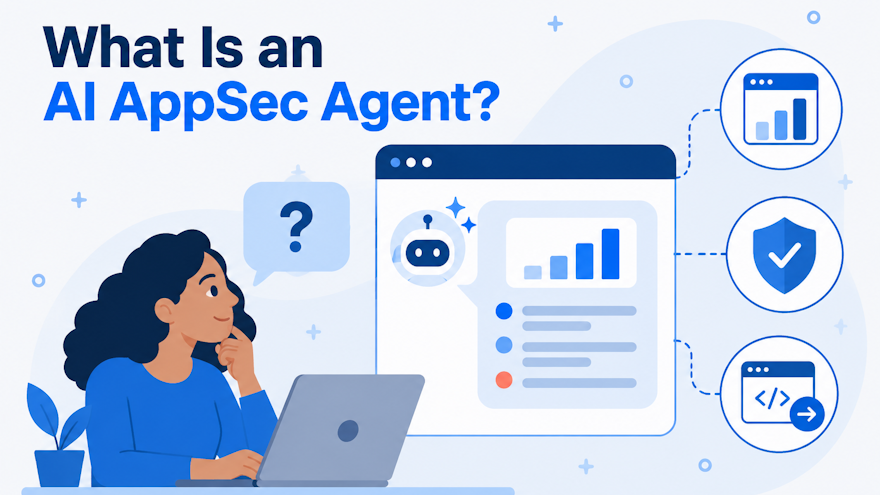
- The AppSec Agent answers questions about findings and runtime events so teams can triage quickly.
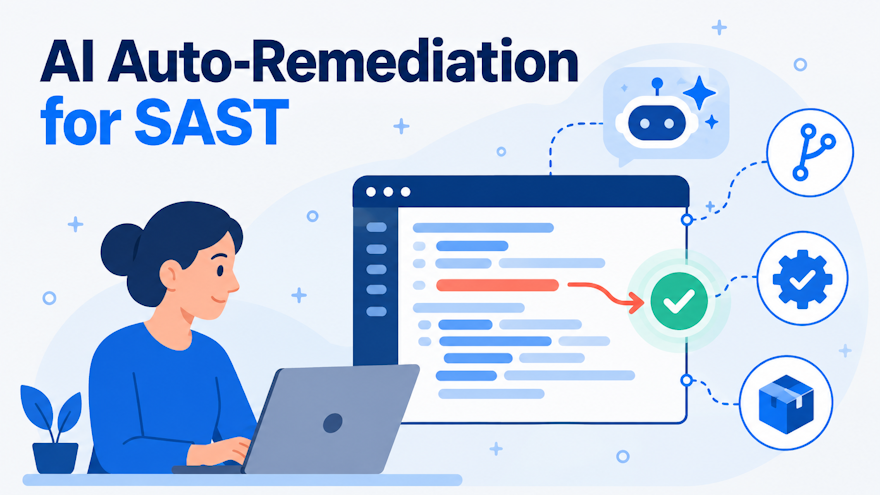
- AI Auto-Remediation sends the exact fix to your coding agent, with or without a human in the loop.
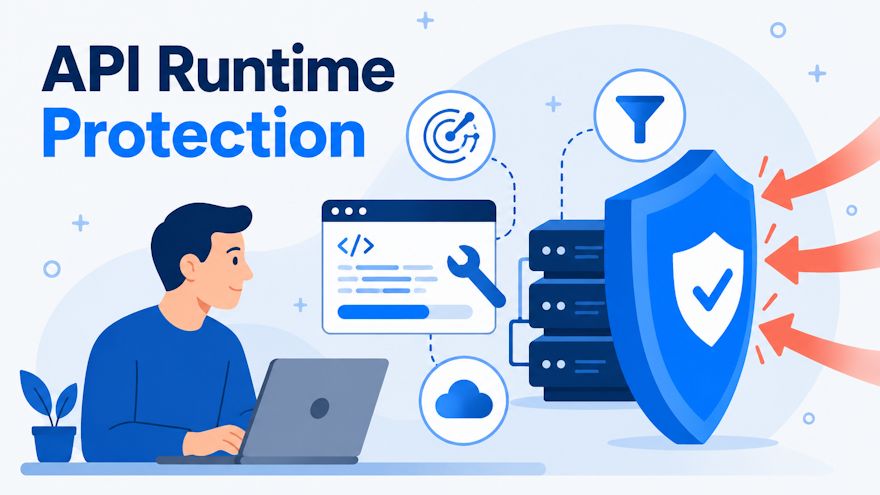
- AI Active Protection blocks attacks at runtime: Mobile Protect blocks tampering and AI-assisted reverse engineering inside the app, and API Secure tells your WAF what to block. Blocking one step breaks the chain until the fix ships.
Frequently Asked Questions
What Is an AI-Augmented Attack?
An attack where the adversary uses AI tools to speed up reconnaissance, reverse engineering, exploit writing or the chaining of multiple flaws.
Are AI-Augmented Attacks a New Kind of Vulnerability?
No. They exploit the same flaws as before, faster and in combination.
How Do You Defend Against AI-Driven Attacks?
Use AI to find exploit chains first, prioritize them, fix them quickly in code, and block them at runtime while fixes ship.
Why Do Low-Severity Findings Matter Now?
Because AI makes it cheap to combine several of them into one high-impact attack.
Can AI Exploit Flaws That Were Considered Too Hard to Exploit?
Yes. AI can work through the analysis and trial and error that once made some flaws impractical to exploit. PHP2Shell, patched in October 2026, is a recent example.