Knowledge Center
Security Resources
In-depth white papers, solution briefs, analyst reports, webinars and data sheets across the Data Theorem platform.
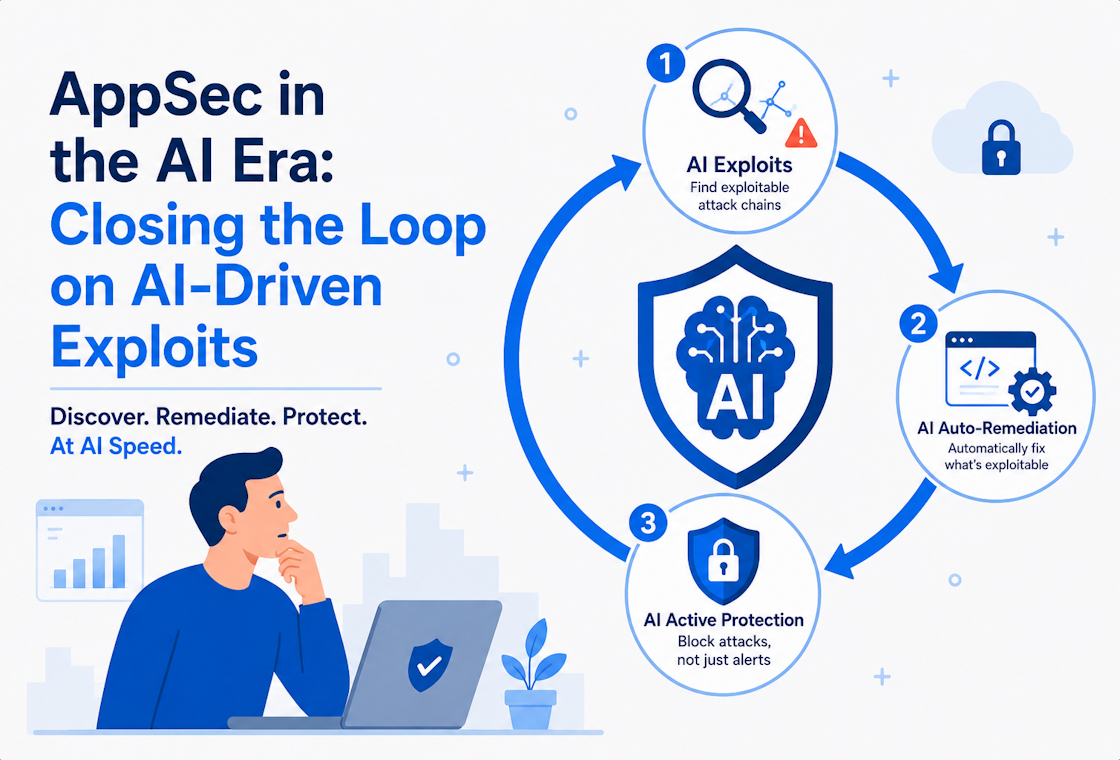
AppSec in the AI Era: Closing the Loop on AI-Driven Exploits
LLM-driven exploits now outpace human patching. Learn how Data Theorem’s closed-loop AI security platform discovers AI assets, fixes exploitable vulnerabilities automatically, and defends applications at runtime with AI Exploits, AI Auto-Remediation, and AI Active Protection.
All Resources
All 55 resources
 Blog
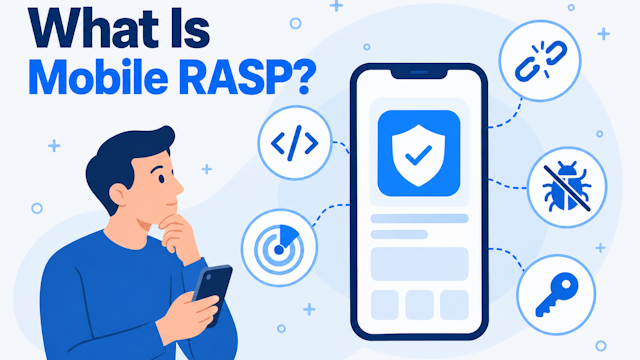
What Is Mobile RASP? Runtime Application Self-Protection Explained
Mobile RASP (runtime application self-protection) is security built into a mobile app that detects and stops attacks while the app runs on a user's device. It hardens the app against reverse engineering and tampering, checks the device it runs on, and reacts in real time, without waiting for a server or a security team.
 Blog
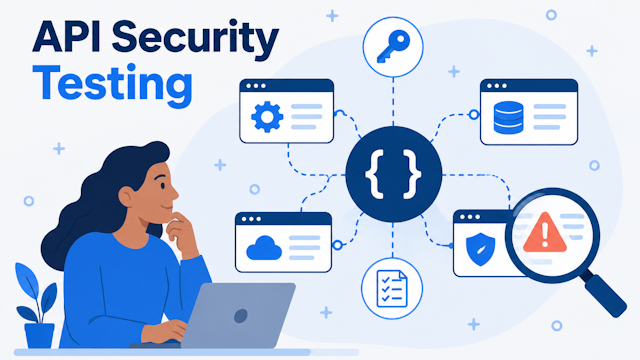
API Security Testing: How to Test APIs the Way Attackers Do
API security testing is the practice of probing APIs the way an attacker would, to find flaws such as broken authorization, data exposure and injection before someone exploits them. Effective API security testing runs authenticated, covers every API you have (including the ones nobody inventoried) and repeats every time an API changes.
 Blog
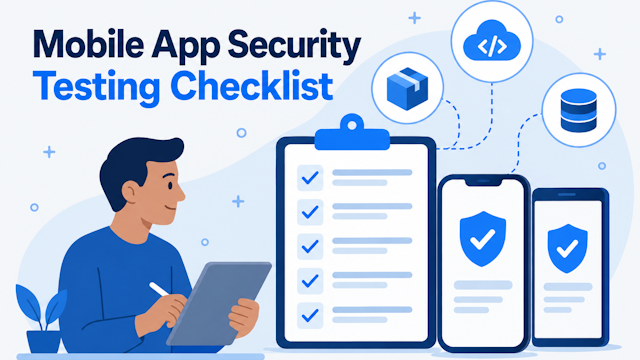
Mobile Application Security Testing for iOS and Android: A Checklist
Mobile application security testing checks an iOS or Android app for vulnerabilities and privacy issues before and after release. A complete program tests the app binary, the APIs it calls, the third-party SDKs inside it and the data it stores, on every release, and maps results to the OWASP Mobile Top 10.
 Blog
Mobile Game Security: Stopping Cheats, Ad Bypass and Fake Players
Mobile game security protects a game, its players and its revenue on the devices where the game runs. It covers anti-cheat, anti-tampering, protection against ad and in-app purchase bypass, defense against cloned games, and detection of fake players and fraud that waste user acquisition spend.
 Blog
AI-Augmented Attacks: How Attackers Use AI to Chain Small Flaws
AI-augmented attacks are attacks where an adversary uses AI tools to do work that used to take skill and time: decompiling apps, reading obfuscated code, mapping APIs, writing exploit code and linking several minor weaknesses into one working attack path. The flaws are not new. The speed and scale are.
 Blog
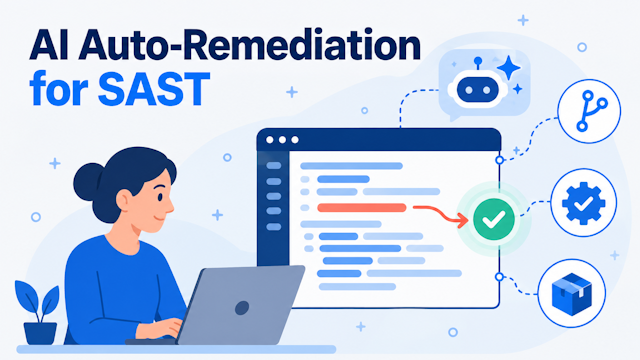
AI Auto-Remediation for SAST: From Finding to Merged Fix
AI auto-remediation is the use of AI to turn a security finding into a working code fix. For static application security testing (SAST) and software composition analysis (SCA), it means a developer, or their AI coding agent, receives the exact change needed to resolve a vulnerability, not just a description of the problem.
 Blog
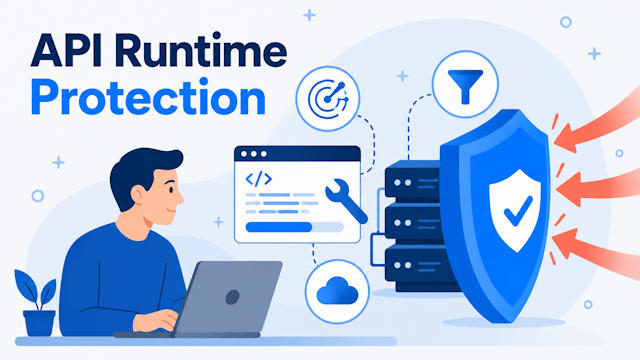
API Runtime Protection: Blocking Attacks While the Fix Ships
API runtime protection is security that watches live API traffic in production and stops attacks as they happen. It protects APIs during the time between a vulnerability being found and the fix being deployed, and against attacks on flaws nobody has found yet.
 Blog
What Is an AI AppSec Agent?
An AI AppSec agent is an AI assistant built into an application security platform that answers questions about your security data in plain language. Instead of filtering dashboards and exporting reports, you ask what to fix first, which apps are affected or what happened at runtime, and the agent answers from your own findings.
 Data Sheet
Mobile Secure Data Sheet
Continuous mobile app security testing for iOS and Android, on every release. This two-page overview covers how Mobile Secure combines static, dynamic, and behavioral analysis on real devices with third-party SDK review, auto-triaged alerts to Slack, Teams, or email, and secure-code remediation that closes findings in days. Includes supported frameworks, compliance coverage (PCI DSS, HIPAA, GDPR, SOC 2, and more), and CI/CD integration details.
 Data Sheet
Mobile Protect Data Sheet
Mobile Protect's in-app runtime defenses for deployed iOS and Android apps: dynamic obfuscation, anti-tampering and anti-debugging, jailbreak and root detection, on-device anti-fraud scoring (account takeover, payment fraud, bot and emulator defense, fraud farms), defense against AI-augmented attacks (attack-path mapping, memory scraping, AI overlay malware), and the SDK's production footprint (500 KB, no startup tax on Android, ~10 KiB/s telemetry).
 Data Sheet
Code SAST Secure Data Sheet
Find, fix, and remediate exploitable code vulnerabilities across first-party source, open source, and AI-generated code. Code SAST Secure is Data Theorem's developer-side application security platform: it scans source, bytecode, and compiled artifacts with SAST, verifies exploitability through DAST (SAST+), continuously inventories open-source dependencies and SDKs with SCA and SBOM, and auto-generates secure patches for actively exploitable open-source and AI-written code. Download the datasheet to see how find, fix, verify, and remediate come together in one platform.
 Data Sheet
API Secure Data Sheet
Discover, harden, test, and protect every API across mobile, web, and cloud. API Secure is Data Theorem's full-lifecycle API security platform: it continuously inventories every REST, GraphQL, gRPC, SOAP, and serverless API, hardens posture across multi-cloud, attacks them with hacker-style testing, and defends against prompt injection, LLM abuse, and AI-augmented attacks at runtime. Download the datasheet to see how discovery, health, testing, and active protection come together in one platform.